
Views: 202 Author: Welons Prefab Houses Publish Time: 2026-07-25 Origin: Site


Content Menu
>> Volumetric modular construction
>> Panelized modular construction
● Factory quality and performance
● Logistics and site realities
● FAQ
>> 1. What is the main difference between volumetric and panelized modular construction?
>> 3. Which method is better for custom design?
>> 4. Which is easier to transport?
>> 5. Which is better for prefab container house projects?
Volumetric modular construction and panelized modular construction solve the same core problem in different ways: they move work off-site to save time, improve consistency, and reduce project risk. For buyers of prefab container houses, workforce housing, offices, dormitories, and industrial buildings, the right choice depends on speed, transport, design freedom, and total project value.
If your project needs fast delivery, predictable quality, and scalable production, both methods deserve serious attention. Volumetric systems are built as complete three-dimensional units, while panelized systems are assembled from prefabricated wall, floor, and roof panels on site.
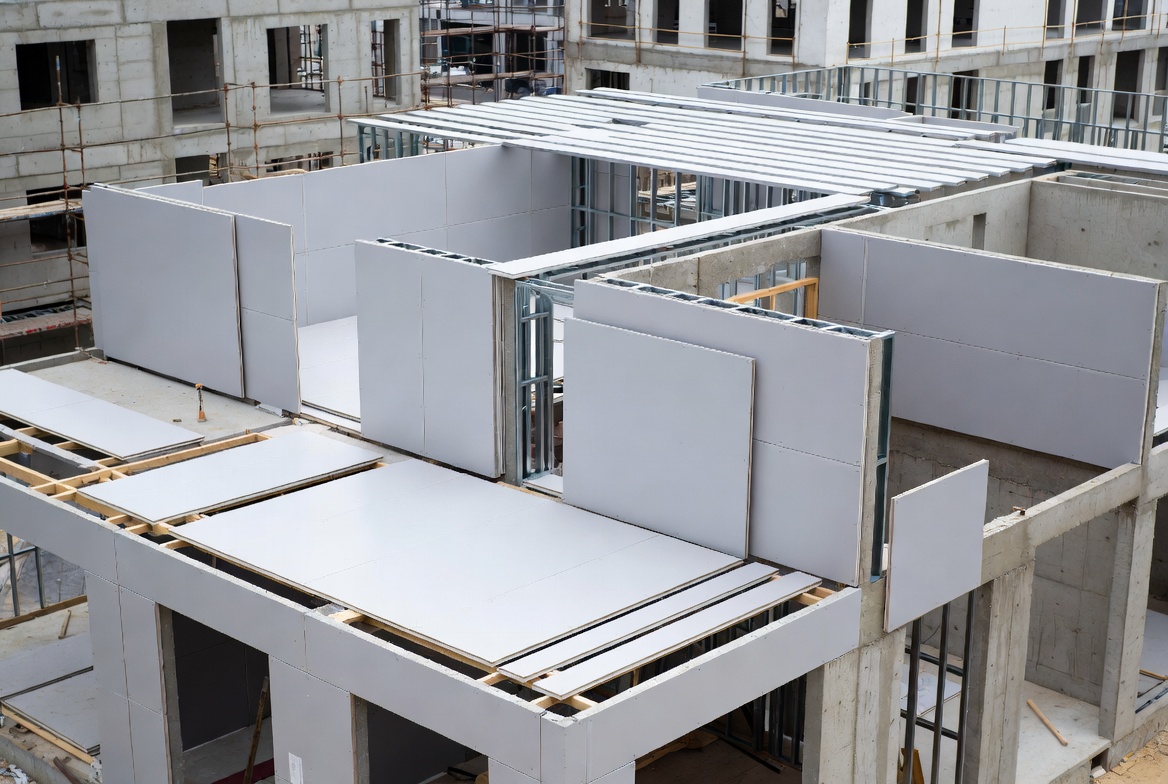
Volumetric modular construction means the factory produces nearly finished modules, often including structure, finishes, MEP, and interior components, before shipping them to site for assembly. Panelized modular construction means the factory produces flat building elements such as wall panels, floor panels, and roof panels, which are then combined on site into a complete building.
Volumetric is the closer match to a "plug-and-play" building approach. It usually delivers faster on-site installation because major work happens in the factory, and it is often favored for repeatable building types such as hotels, dormitories, healthcare units, and stacked housing.

Panelized construction is more like a high-precision building kit. It offers more flexibility for custom layouts, easier transport, and better suitability for sites with access limits, while still improving speed compared with conventional building methods.
| Factor | Volumetric modular | Panelized modular |
|---|---|---|
| Factory completion level | High, often with interiors and services installed | Moderate, with panels prefabricated for later assembly |
| Site speed | Faster on-site assembly | Faster than traditional builds, but more site assembly is needed |
| Transport | Bulkier and more complex | Easier and cheaper to ship flat-packed |
| Design flexibility | Lower, due to module size and transport limits | Higher, easier to adapt and customize |
| Best use cases | Hotels, dorms, healthcare, repeated units | Offices, low-rise buildings, custom and phased projects |
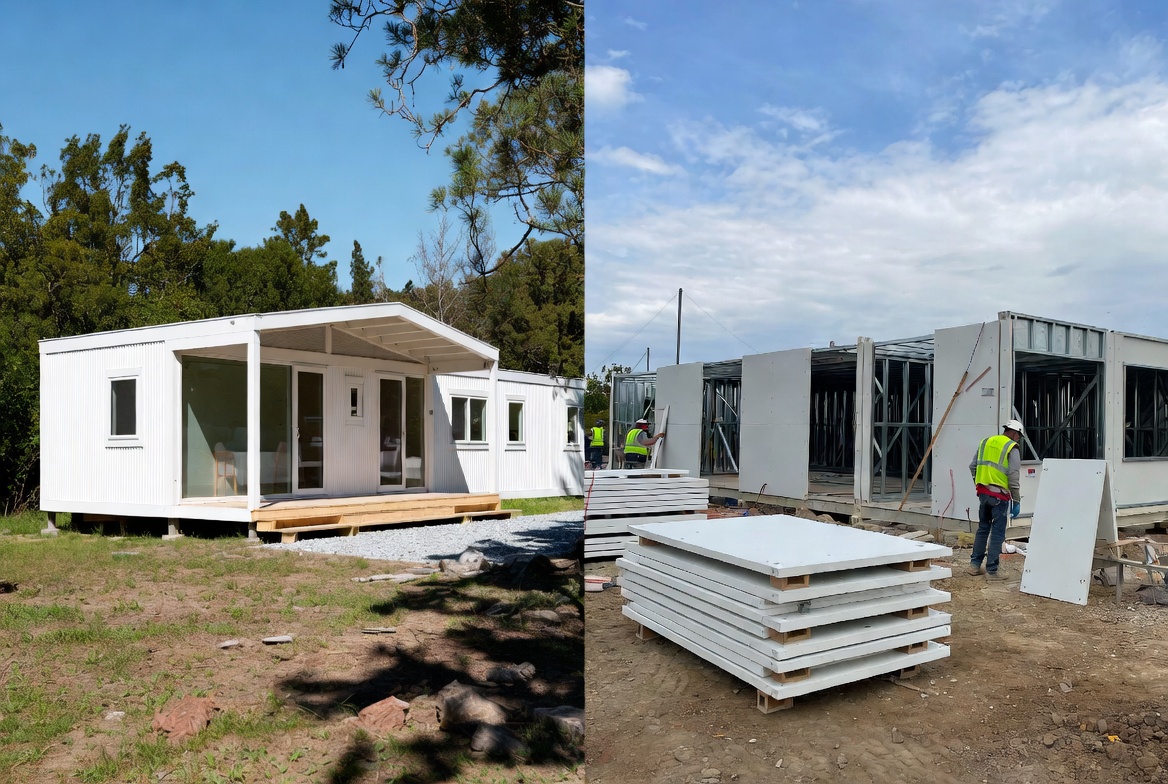
For projects where opening date matters most, volumetric often has the edge because it compresses the schedule through parallel factory and site work. For projects with complex plots, narrow roads, or tighter transport budgets, panelized may be the smarter route because it reduces logistical friction.
For a manufacturer like Welons Prefab, this is especially relevant because your product range includes offices, dormitories, canteens, meeting rooms, warehouses, exhibition halls, and industrial buildings. Those applications often span both methods, but the decision changes with project density, site constraints, and customization needs.
Most buyers are not really choosing between two construction terms. They are choosing between speed, flexibility, logistics, and lifecycle value. Volumetric tends to win on factory integration and occupancy speed, while panelized tends to win on adaptability and transport efficiency.
That trade-off matters even more in prefab container house projects, where the customer may need a rapid rollout across multiple regions or a single facility built under strict site access constraints. In these cases, the best solution is not always the most "complete" one; it is the one that fits the delivery path most efficiently.
One of the strongest arguments for off-site construction is quality control. Building in a controlled factory environment reduces weather delays, improves consistency, and lowers rework risk, especially when the production process is standardized.
Volumetric systems can offer stronger airtightness and repeatable QA/QC because more work is completed before shipping. Panelized systems still benefit from factory precision, but they leave more work to the field, which means site execution remains more important.
Transport is often the hidden factor that decides the project method. Volumetric modules require lifting plans, route checks, and more space for staging, while panelized components are easier to move, stack, and deliver in phases.
This makes panelized construction attractive for dense urban areas, remote destinations, or projects with limited crane access. Volumetric is often better when the site can support larger lifts and the project benefits from rapid installation with fewer on-site trades.
Both methods can reduce waste compared with conventional construction because factory production is more controlled and material usage is easier to manage. Panelized systems may reduce transport-related emissions because they move flatter loads, while volumetric systems may reduce rework and improve air-tightness through deeper factory completion.
For clients making long-term procurement decisions, this is not just an environmental topic. It also affects operating cost, maintenance planning, and the predictability of project delivery.
Prefab container houses sit in a practical space between modular product engineering and fast deployment. Many buyers use them for offices, dormitories, canteens, temporary housing, classrooms, warehouses, and site camps because they can be customized quickly and scaled in batches.
For these projects, volumetric ideas often translate into fully finished modules, while panelized ideas support flexible building skins, expansion wings, or site-specific layouts. A strong supplier should be able to recommend the right mix based on use case, budget, and logistics rather than forcing a one-size-fits-all answer.
Use this simple decision process before ordering:
1. Define the building function.
2. Check site access, transport limits, and crane conditions.
3. Decide whether speed or flexibility matters more.
4. Compare finishing scope, insulation, and service integration.
5. Ask for detailed shop drawings, delivery sequence, and installation plan.
6. Verify after-sales support, replacement parts, and expansion options.
This approach helps avoid costly redesigns and improves alignment between the project brief and the manufacturing method.
In my view, volumetric construction is strongest when repeatability is high and fast occupancy is the priority. Panelized construction is strongest when the project needs custom planning, easier shipping, and more control over site assembly.
For export-focused prefab suppliers in China, the winning strategy is often to offer both options clearly. That gives overseas buyers a better path to match their climate, regulations, timeline, and logistics profile.
Volumetric and panelized modular construction are not competing for the same exact job. They are two different tools, and the best one depends on how your building will be shipped, assembled, and used over time.
If your project needs faster opening and repeatable production, choose volumetric. If it needs easier transport, more layout freedom, and phased installation, choose panelized. For many prefab container house buyers, the right answer is a hybrid solution tailored to site and function.
Volumetric uses fully formed 3D modules, while panelized uses prefabricated panels assembled on site.
Volumetric is usually faster on site because more work is done in the factory before delivery.
Panelized construction usually offers more flexibility for custom layouts and phased changes.
Panelized systems are typically easier to transport because they ship flat and take up less volume.
It depends on the project. Volumetric suits rapid deployment and repeatable units, while panelized suits flexible layouts and difficult access sites.
- Karmod. [Volumetric vs. Panelized Modular Construction]
- BuildSteel / FRAMECAD. [Unraveling Modular Construction: Volumetric vs Panelized Approaches to Steel Framing]
- Quick Buildings. [Modular Construction Methods: Volumetric vs. Panelized]
- Mobile Modular. [Ultimate Guide to Prefab Office Buildings & Benefits]
- Fortune Business Insights. [Container Homes Market Size, Share | Growth Analysis]


