
Views: 233 Author: Welons Prefab Houses Publish Time: 2026-08-04 Origin: Site


Content Menu
● What Is a Space Capsule House?
● A New Trend in Eco Tourism Development
● Expert View for Project Owners
● How to Choose the Right Option
● FAQ
>> 1. Which is better for high-end eco tourism, Space Capsule House or Apple Cabin?
>> 2. Which option is more suitable for a scenic resort?
>> 3. Can both products be used in the same project?
>> 4. Which cabin type is easier to scale across multiple units?
>> 5. Which option is better for coastal or desert environments?
>> 6. Can these cabins support off-grid or eco-friendly resort concepts?
High-end eco tourism is no longer just about beautiful scenery. Guests now expect design, comfort, privacy, Instagram-worthy visuals, and low-impact operations in one stay experience. For project owners, this makes the choice between a Space Capsule House and an Apple Cabin more important than ever.
If your goal is to build a premium nature-based destination, both options can work well, but they serve different business models. In general, the Apple Cabin is better for efficient scaling and lower entry cost, while the Space Capsule House is better for premium positioning, stronger visual impact, and higher room-rate potential.
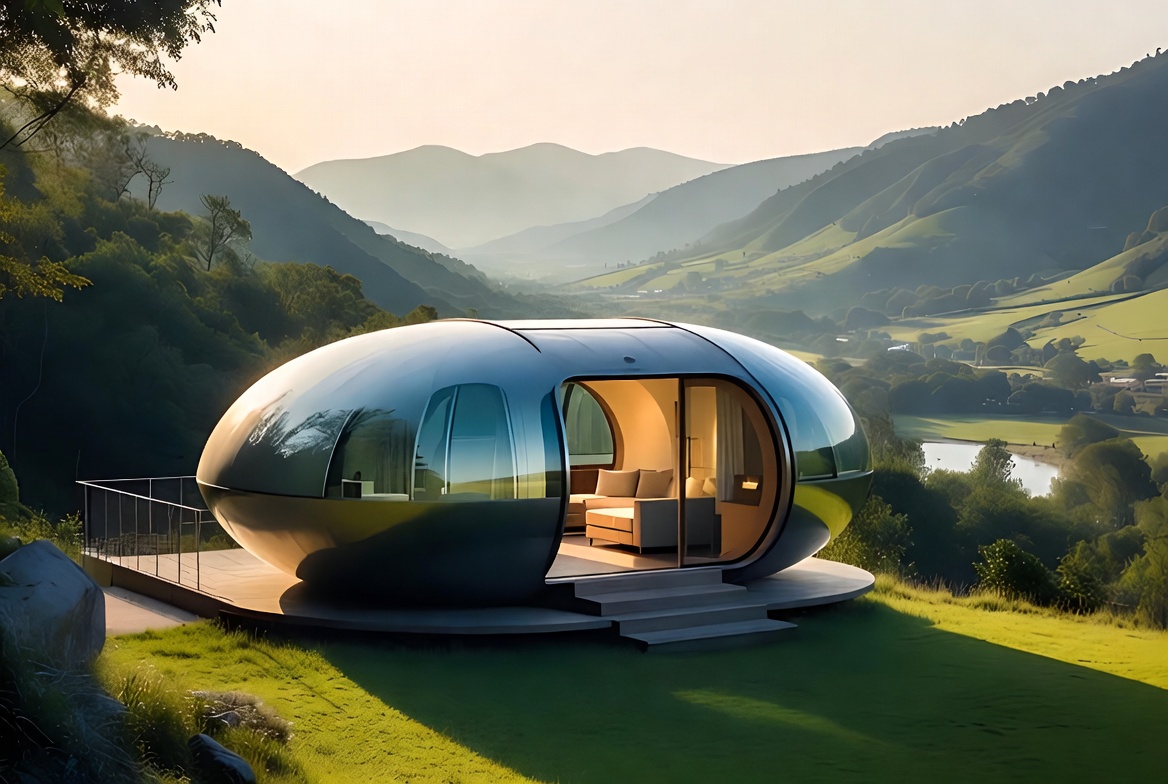
Eco tourism projects compete on more than location. They compete on guest experience, operating efficiency, and how memorable the stay feels before a booking is even made. That is why modular accommodation has become a serious solution for resorts, glamping parks, scenic areas, and remote hospitality projects.
For developers, the right cabin type can affect:
- Initial investment.
- Construction speed.
- Guest acquisition.
- Nightly rate potential.
- Maintenance costs.
- Brand positioning.
A Space Capsule House is a prefabricated modular unit designed with a futuristic profile, a premium exterior, and integrated living systems. It is often chosen for scenic resorts, coastal retreats, desert camps, and high-end experience-driven destinations because it creates an immediate "wow" effect.
From a project perspective, it is especially attractive when the operator wants to combine luxury, technology, and strong visual branding. Guests typically perceive it as more exclusive than a standard compact cabin, which can support premium pricing.
An Apple Cabin is a compact prefabricated accommodation unit with a softer and more approachable appearance. It is often selected for eco lodges, rural tourism, scenic area stays, and glamping projects because it blends more naturally into green landscapes and family-friendly environments.
Its biggest strength is practical flexibility. It is usually easier to deploy in multiple units, which makes it attractive for operators who want to build a larger inventory without pushing the budget too far.
| Aspect | Space Capsule House | Apple Cabin |
|---|---|---|
| Visual Style | Futuristic, premium, high-impact | Soft, friendly, nature-oriented |
| Best For | Luxury resorts, coastal retreats, desert camps | Eco lodges, rural tourism, glamping sites |
| Guest Perception | Exclusive, high-tech, memorable | Warm, practical, comfortable |
| Investment Level | Higher | More budget-friendly |
| Brand Positioning | Premium and experience-driven | Efficient and scalable |
| Typical Strength | Strong room-rate appeal | Faster ROI through multiple units |
| Site Fit | Scenic sites needing a signature landmark | Sites wanting harmony with nature |
| Operational Use | Boutique stays, showcase units | Multi-unit hospitality development |
For high-end eco tourism, the guest experience begins with the exterior. A Space Capsule House usually delivers a stronger first impression because of its sleek geometry, panoramic feel, and modern aesthetic. That makes it well suited to luxury travelers who want accommodation that feels distinctive and shareable.
An Apple Cabin creates a different emotional response. It feels more approachable, cozy, and integrated with the landscape, which can be ideal for family travelers, wellness retreats, and nature-focused stays. In many rural tourism settings, this visual harmony becomes part of the brand story.
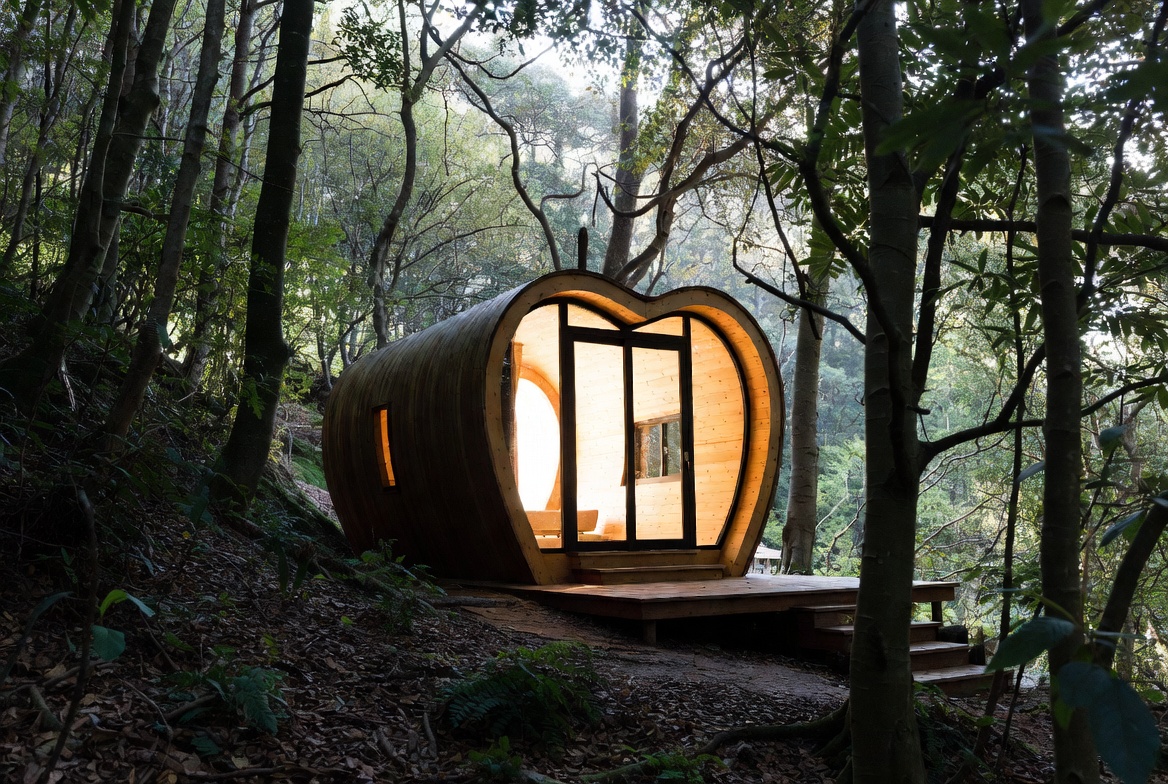
The best choice depends on your commercial goal. If your project is designed around premium nightly rates, stronger brand identity, and a signature accommodation image, the Space Capsule House is usually the better match. If your goal is to place multiple units on one site and reach payback faster through occupancy volume, the Apple Cabin is often more practical.
A useful rule is simple:
1. Choose Space Capsule House when the property must stand out as a luxury landmark.
2. Choose Apple Cabin when the property must scale efficiently across multiple rooms.
3. Use a mixed plan when the site needs both showcase units and standard units.
Eco tourism projects are usually built in places where terrain and weather matter. That is why structure choice should match the local environment instead of only following appearance. Space Capsule Houses are often favored in locations where wind exposure, humidity, or a more demanding outdoor setting requires a stronger premium prefab solution.
Apple Cabins are a strong fit for calmer scenic parks, forest stays, and rural hospitality sites where the project owner wants a softer visual footprint. For many destination operators, this makes them a better balance of practicality and design.
Although exact pricing changes by configuration, size, and logistics, the market pattern is clear: Space Capsule Houses generally sit in a higher investment tier, while Apple Cabins are usually more affordable to deploy at scale.
That difference matters because ROI is not only about purchase cost. It also depends on:
- Average daily rate.
- Occupancy stability.
- Maintenance frequency.
- Marketing appeal.
- Speed of unit expansion.
In practice, premium resorts often use one or two Space Capsule Houses as signature units, then add more Apple Cabins for volume. This hybrid model can help operators control cost while still creating a high-end brand image.
One of the strongest shifts in 2026 is the rise of design-led prefabricated hospitality. Developers are no longer asking only for shelter; they want a complete guest experience that is quick to deploy, visually distinctive, and compatible with sustainable tourism positioning.
Another major trend is the integration of solar-ready systems, smart climate control, and off-grid-friendly layouts. These features are becoming increasingly important for remote resorts that want to reduce operating friction and support environmentally conscious branding.
From a strategic perspective, the right question is not "Which unit is better?" but "Which unit matches the story of the destination?" A Space Capsule House tells a story of luxury, technology, and exclusivity. An Apple Cabin tells a story of comfort, nature, and practical hospitality.
For developers, this distinction is crucial because the cabin type becomes part of the product itself. In other words, the accommodation is not just a room; it is the attraction. That is especially true in scenic areas where the stay experience is a core reason people book.
Use this simple decision framework:
1. Define your target guest group.
2. Decide whether you need a premium landmark or a scalable room type.
3. Review local climate and installation conditions.
4. Estimate your expected nightly rate.
5. Compare initial cost against long-term operating value.
If your site is a luxury eco resort, cliffside retreat, beach getaway, or desert experience park, the Space Capsule House often gives you a stronger commercial identity. If your site is a forest retreat, countryside lodge, or multi-unit glamping park, the Apple Cabin is often the smarter operational choice.
With 11 years of manufacturing experience and a daily output capacity of 300 units, Welons Prefab is positioned to support global hospitality developers with flexible customization, OEM, wholesale, and one-stop project delivery. That matters for buyers who need both product reliability and execution speed.
For high-end eco tourism projects, this means you can plan not just one accommodation unit, but an entire site strategy. Whether the project calls for a premium flagship Space Capsule House or a scalable Apple Cabin layout, the right factory partner can shorten lead time and improve consistency across units.
If your project is built around luxury positioning, choose the Space Capsule House. If your project is built around scalable eco hospitality, choose the Apple Cabin. If you want both branding strength and financial flexibility, combine them in one master plan.
For resort developers, tourism planners, and distributors, the next step is to request a project-specific layout and quotation based on your land size, target market, and climate conditions.
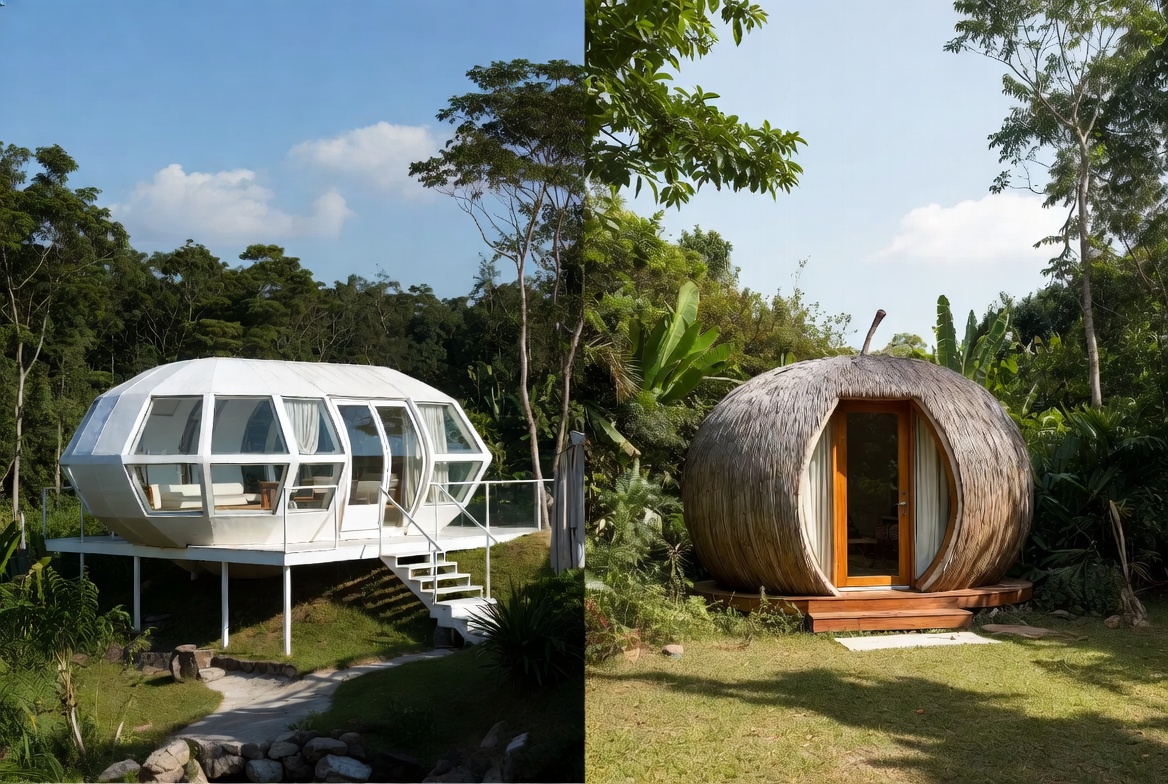
The Space Capsule House is usually better for premium positioning, while the Apple Cabin is better for efficient scaling and broader cost control.
A scenic resort that wants a landmark-style unit often benefits from a Space Capsule House, while a resort that needs multiple guest rooms often benefits from Apple Cabins.
Yes. Many developers use a hybrid model with one or two Space Capsule Houses as signature units and Apple Cabins as standard accommodation units.
Apple Cabin is generally easier to scale because it is often positioned as a more practical and cost-efficient solution for multi-unit deployment.
Space Capsule Houses are often preferred in more demanding outdoor environments because they are associated with stronger structure, premium weather resistance, and high-end guest appeal.
Yes. Current modular hospitality trends include solar-ready systems, smart climate control, and plug-and-play deployment models that support eco-conscious resort planning.
1. [Space Capsule Houses vs Apple Cabins: Which Best Suits ...]
2. [Modular Cabin Solutions for Resorts, Eco Lodges & Glamping Projects]
3. [Modular Prefab House Presentations]
4. [A Guide On Capsule Houses: How To Choose? | K-HOME]
5. [How to Choose the Right Apple Cabin System for Your Project?]


