
Views: 262 Author: Welons Prefab Houses Publish Time: 2026-08-05 Origin: Site


Content Menu
● Why Prefab Housing Matters in Iran
● What Makes Quick-Assembly Units Different
● Market Drivers Behind The Shift
● Why Buyers Choose Modular Over Traditional
● Material Choices And Performance
● What Smart Buyers Should Check
● Why Welons Prefab Fits This Need
● Practical Buying Guide For Iran
● Why This Category Will Keep Growing
● FAQ
>> 1. What is a prefab house in Iran?
>> 2. Why are quick-assembly prefab units popular?
>> 3. Are prefab buildings suitable for commercial and industrial use?
>> 4. What should buyers check before ordering?
>> 5. Why choose Welons Prefab?
Iran's demand for prefab house and quick-assembly modular buildings is rising because developers, contractors, and industrial operators want faster delivery, better cost control, and more flexible site planning. For buyers comparing options in Iran, prefab housing is no longer a niche choice; it is becoming a practical solution for housing, offices, dormitories, canteens, warehouses, and industrial support spaces.
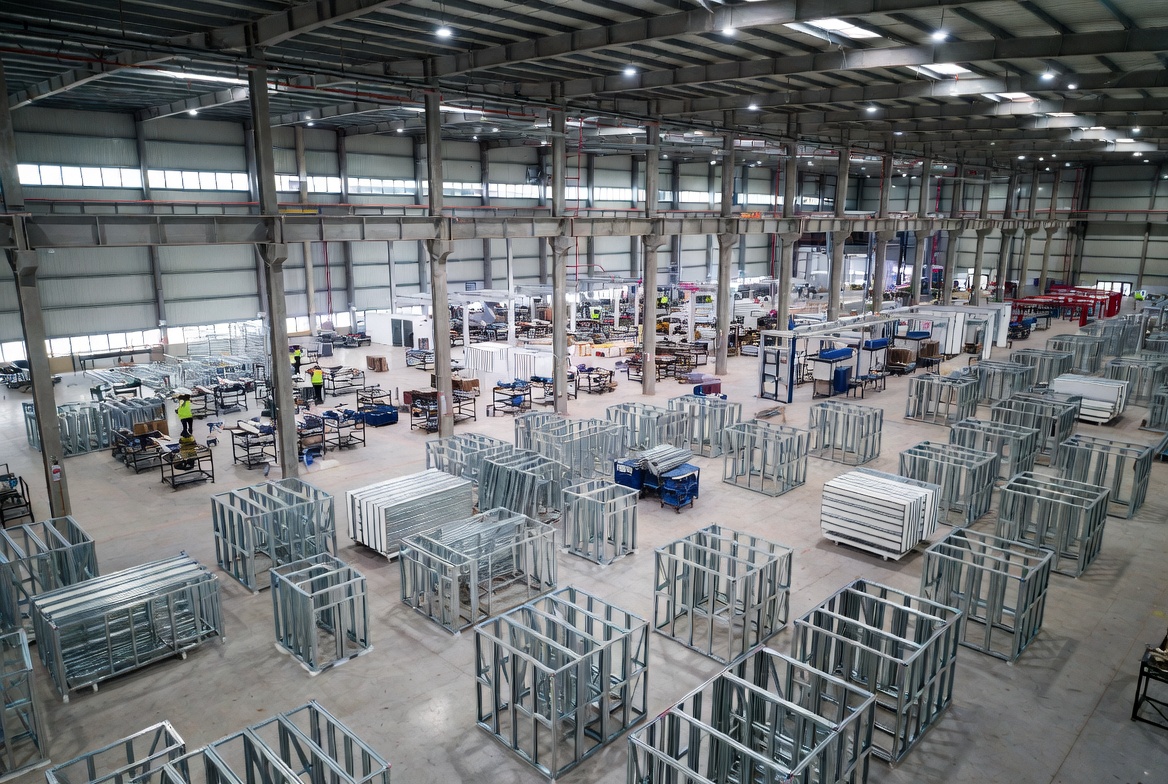
Iran's prefabricated construction market is forecast to keep expanding through 2029, supported by demand across residential, commercial, industrial, and institutional projects. Recent industry reporting shows annual growth in 2025 and continued medium-term expansion, which signals ongoing room for factory-built systems in the country.
From a project buyer's perspective, the appeal is simple. Prefabricated buildings can reduce site disruption, improve schedule certainty, and create more predictable quality than traditional construction in many use cases. That matters in environments where labor availability, delivery timing, and project cash flow all affect outcomes.
Quick-assembly prefab units are designed for speed, repeatability, and practical transport. Unlike conventional on-site builds, much of the structure is manufactured in a controlled factory setting, then shipped and assembled quickly at the project location.
These systems are especially useful when a project needs:
- Faster occupancy.
- Lower on-site labor demand.
- Standardized room sizes.
- Easy expansion or relocation.
- Controlled quality for repeated use.
For industrial and commercial users, this format is particularly valuable because it supports fast deployment without sacrificing functional comfort or layout flexibility.
Several forces are making prefab housing and modular buildings more attractive in Iran and across the wider region. The first is speed: off-site fabrication and on-site installation can compress project timelines significantly. The second is cost visibility: buyers can plan more accurately when factory scope, transport, and installation are defined early.
A third driver is adaptability. Prefab systems are now used for far more than homes. Modern modular solutions serve office compounds, dormitories, canteens, showrooms, workshops, clinics, and storage buildings, which broadens the market beyond residential demand.
A fourth driver is industrialization itself. The global prefab market is moving toward standardized platforms, digital design workflows, and integrated services, which makes the product category more scalable and more appealing to professional buyers.
Prefab housing in Iran is not a single-use category. It works best when the buyer needs practical space delivered quickly and deployed with minimal downtime. That makes it suitable for both permanent and semi-permanent applications.
- Construction site offices and management cabins.
- Worker dormitories and accommodation camps.
- Staff canteens and kitchen units.
- Warehouses and storage buildings.
- Meeting rooms and training spaces.
- Temporary exhibition or sales showrooms.
- Industrial support buildings and workshops.
This flexibility is one reason modular systems continue to gain traction. Instead of treating the building as a one-time fixed asset, buyers can use it as a configurable platform that can be expanded, relocated, or repurposed.
In many projects, the decision is not about aesthetics versus practicality. It is about how quickly a usable space can be delivered, how reliably it performs, and how much operational disruption it creates during construction.
Prefab buildings often offer advantages in:
- Construction speed.
- Quality consistency.
- Labor efficiency.
- Reduced weather-related delays.
- Easier budgeting.
- Better repeatability for multi-unit projects.
For industrial buyers, these benefits can translate into faster commissioning of support facilities and smoother operations on active sites. For developers, they can mean earlier occupancy and better project turnover.
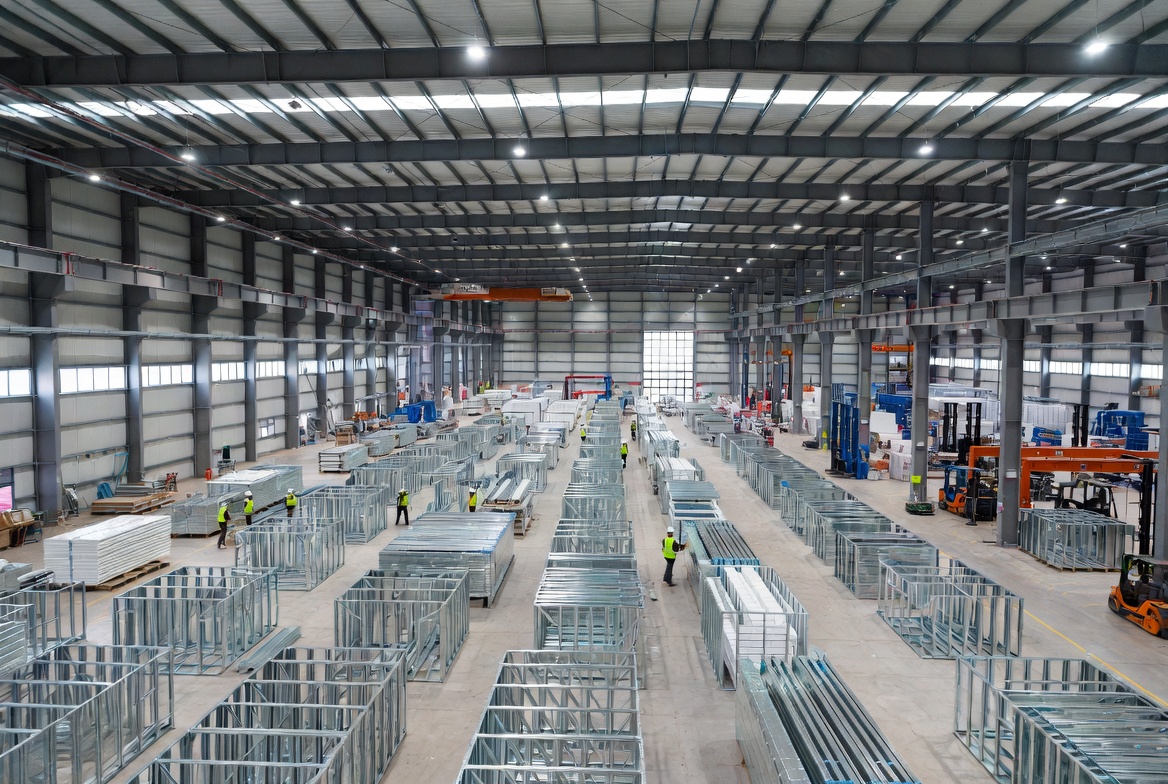
The global market shows strong demand across concrete, steel, timber, glass, and hybrid systems. For quick-assembly units, steel-based modular structures are especially common because they balance durability, transportability, and fast installation.
Material selection usually depends on:
- Intended use.
- Required service life.
- Thermal and acoustic needs.
- Transport distance.
- Local climate.
- Budget and maintenance expectations.
In hot, dusty, or high-use environments, buyers often prioritize structural reliability, insulation performance, and ease of maintenance. That is why engineering quality matters as much as price.
Not all prefab suppliers are equal. A strong manufacturer should be able to explain production capacity, structural system, customization options, installation method, and after-sales support with clarity.
Before placing an order, buyers should verify:
1. Factory capacity and lead time.
2. Steel frame and panel specifications.
3. Thermal insulation and ventilation performance.
4. Transport dimensions and delivery plan.
5. Assembly method and installation manpower.
6. Customization for layout, windows, doors, and utilities.
7. Maintenance support and spare parts availability.
This checklist helps reduce risk and makes it easier to compare quotes on a true like-for-like basis rather than on headline price alone.
Welons Prefab is positioned for buyers who need fast-turnaround modular buildings backed by manufacturing scale, customization, and export-ready service. The company says it brings 11 years of experience and a daily output capacity of 300 units, supporting OEM, wholesale, and one-stop project delivery.
That matters for international buyers because large projects often require both speed and repeatability. A supplier with production capacity, flexible configurations, and multi-use product lines is better suited to serve offices, dormitories, canteens, warehouses, showrooms, and industrial facilities in one supply chain.
- Office compounds.
- Employee housing.
- Dining halls.
- Meeting rooms.
- Storage and warehouse units.
- Industrial support structures.
- Temporary or semi-permanent commercial spaces.
If you are sourcing prefab housing for Iran, the best process is to start from use case, not product catalog. That means defining occupancy, climate conditions, utility needs, and expected service life before asking for price.
A practical procurement workflow looks like this:
1. Define the application.
2. Confirm dimensions and occupancy.
3. Select the structural and wall system.
4. Review insulation, ventilation, and utility requirements.
5. Approve drawings and layout.
6. Confirm shipping and installation schedule.
7. Align on warranty and after-sales service.
This approach reduces redesign cycles and helps buyers get a building that is fit for purpose rather than only visually appealing.
The broader prefab industry continues to grow because it answers three persistent construction problems: time pressure, labor constraints, and cost uncertainty. Industry forecasts show continued expansion in prefabricated construction globally, with strong momentum in Asia-Pacific and rising interest in industrial, logistics, and commercial uses.
Iran is part of that same structural trend. As demand grows for flexible, fast-deployed buildings, quick-assembly prefab units are likely to become even more relevant for contractors, developers, and factory operators who need reliable space without long construction cycles.
If your project in Iran requires a prefab house, modular office, dormitory, canteen, warehouse, or industrial support building, quick-assembly systems offer a practical way to move faster with more control. For buyers who value customization, OEM support, and one-stop delivery, Welons Prefab is built to support both standard orders and project-specific solutions.
Contact Welons Prefab to request a layout plan, product recommendation, or quotation for your next modular building project.
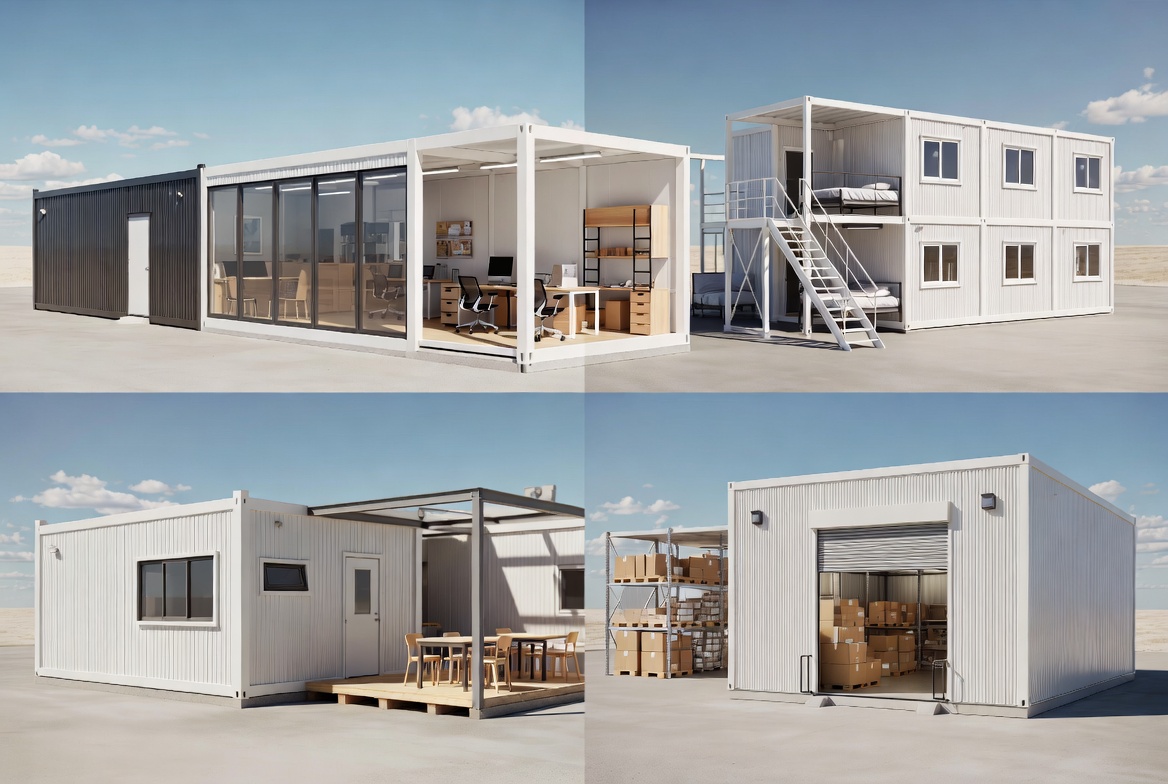
A prefab house is a building manufactured in sections or modules off-site, then transported and assembled at the project location.
They are popular because they save time, reduce site labor, and can be used for many building types, including housing, offices, and industrial facilities.
Yes. They are widely used for offices, dormitories, canteens, warehouses, showrooms, and other operational spaces.
Buyers should review factory capacity, structural specs, insulation, transport size, installation method, and after-sales support.
Welons Prefab offers 11 years of experience, fast production capacity, customization, OEM service, wholesale supply, and one-stop modular building solutions.
- [ResearchAndMarkets: Iran Prefabricated Construction Industry Report 2025]
- [ResearchAndMarkets: Prefabricated Buildings Market Outlook 2026-2034]
- [Mordor Intelligence: Prefabricated Construction Market Size, Share Report 2031]


